
Wessex Water is calling on supermarkets to wake up to the problem of flushed wet wipes after a Tesco store in Dorset was flooded with sewage.
Tesco’s Portland Easton superstore had to close its doors last week after sewage flooded the car park and parts of the building, caused by a mass of wet wipes blocking a nearby sewer.
The utility has released images of the blockage, having long campaigned for more responsible labelling and marketing of wipes. Wessex Water said that although some are branded as ‘flushable’ they don’t break down like regular toilet paper before reaching the sewers.
The water company wrote to Tesco and other stores in 2013, 2014 and again this year, calling on the chain to be more responsible and warning that shoppers are being misled by products which result in thousands of sewer blockages a year and cause misery to homeowners.
Matt Wheeldon, Wessex Water’s director of asset strategy and compliance, said:
“After writing to Tesco and other major supermarkets to highlight this problem since way back in 2013, and basically being ignored, hopefully this incident at the Portland store will act as an overdue wake-up call.
“It’s quite possible that some of wipes which caused the flooding were bought at the very same store. Retailers and manufacturers need to think about the consequences of what they are selling and how wet wipes are labelled for disposal.”
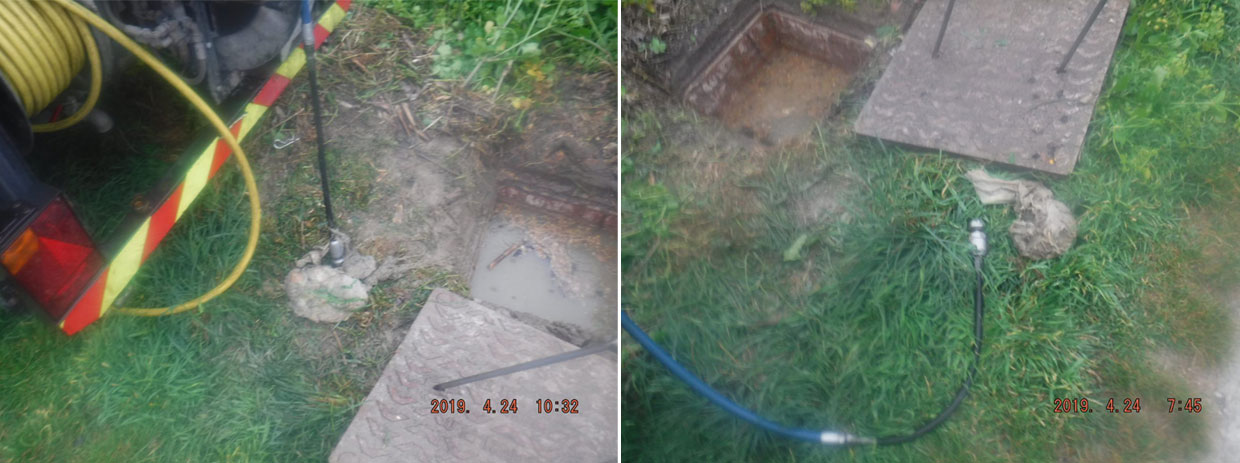 Workers from Wessex Water spent hours clearing the blocked sewer and then cleaning up sewage in the car park so Tesco could re-open.
At the start of 2019 Water UK, the body which represents all the UK water companies, announced the first Fine to Flush standard for moist tissue wipes, with a new logo to help avoid confusion and reassure customers.
Products must meet water companies’ own stringent tests to be deemed Fine to Flush, but so far these wipes are not widely available at major retailers and supermarkets. Instead, many leading brands still adhere to old and inappropriate standards set by the European industry body EDANA which represents the wet wipe manufacturers.
Matt Wheeldon explained:
“Fine to Flush means free from plastic and rigorously tested, meaning the wipe will break down as soon as it’s flushed. Anything else should be marked Do Not Flush, with nothing in between.
“It is high time that supermarkets only stocked wet wipes which are clearly labelled with one of two logos advising the correct disposal route: Do Not Flush or Fine to Flush.
“Only then, when people have clear and unequivocal disposal guidance, can we hope to end the scourge of wipe-related blockages.”