
Southern Water is using tankers to protect sewers and reduce the risk of flooding affecting homes and businesses - extreme rainfall over the winter has raised the risk of ground water flooding across the region.
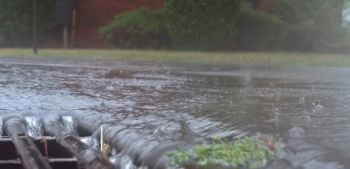
Around 50 tankers are currently pumping out rainwater which is forcing its way into the sewer system 24/7 in a bid to minimise the risk of the network becoming overwhelmed and homes and businesses flooding from sinks and toilets.
Kelly Robinson, Customer Manager for Kent, said:
“This winter the weather has been truly extreme – the Nailbourne River in Canterbury is flowing again – something it hasn’t done since 2016. Rainfall in winter plays an important role in topping up water resources but too much intense rain It saturates the ground and the risk of flooding for our customers increases. We’re working closely with the Environment Agency and councils to reduce the risk of flooding.”
Between November and the end of January the South East received 124 per cent of its average rain fall for the period. At 274mm of rain that’s equivalent to 5.5 billion (giga) litres of water. Bewl Water – the largest body of open water in the region - holds just 31 million (mega) litres so enough water fell to fill it 183 times.
To alleviate the pressure on sewer systems Southern Water has been deploying tankers round the clock – 48 are in use at any given moment – mainly in Kent and Hampshire.
Steve Gilson, managing director of the water company’s contractors MTS Cleansing Services, said his teams are working hard and had taken away more than 200 million litres of water this winter.
Rainfall in winter is crucial to recharging aquifers (deep underground natural reservoirs) where most of the water supplied to Southern Water’s customers comes from. It can only soak through the soil and chalk slowly so the ground can become waterlogged - one reason why the region is water stressed.
In summer high demand challenges the company’s ability to pump from deep beneath the ground, treat it and pump it through our 13,500 km network of pipes, regardless of the volume of rainfall during winter months