
Australian researchers pioneer cheaper and faster clean water
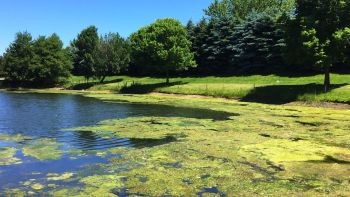
 A few seemingly non-descript ponds in the bush 250 kilometres north-east of Adelaide in South Australia are the catalyst for some innovative thinking on wastewater management by researchers at Flinders University.
Final Programme for World Water Week - water-energy nexus is key focus
The Stockholm International Water Institute (SIWI) has published the Final Programme for World Water Week 2014 which starts on Sunday – this year’s thematic focus is on the energy-water nexus.
New research says businesses and governments must manage energy and water use in tandem or risk major disruption
Major companies including Nestlé, Baxter Healthcare, Sainsbury’s, Buro Happold, Boots UK, GlaxoSmithKline, C&A, CLS Holdings, Nokia, Tata Cleantech Capital and Crown Paints have signed up to the first ever framework to manage water and energy use simultaneously.
AECOM: energy-water-food nexus "defining challenge of our time"
The energy-water-food nexus is the "defining challenge of our time", technical and management support services firm AECOM has claimed in its second annual global sustainability report.
News Showcase
-
Albion Water appoints new Director of Business Development
 Albion Water, the first NAV (New Appointment & Variation) to have been established in1999 and now under the ownership of SDS Water Group, has appointed Andy Holland as its new Director of Business Development.
 -
Webinar to explore moving indirect potable water reuse to full implementation
 UK water companies are invited to join an upcoming webinar which will explore how the sector can take indirect potable reuse (IPR) from concept to full-scale operational reality.
 -
Kohtari CEO says joined-up water intelligence needed to predict, not just react - not more data
 James Sumsion, CEO of predictive water intelligence specialists Kohtari, says the water sector needs to take a giant leap forward, so that it can anticipate and act upon water quality issues - rather than merely react.
 -
IED compliance – using automated sliding floodgates to support secondary containment at water and sewerage company sites
 Ray Moulds, Sales Director at Flood Control International, takes a look at how automated sliding floodgates are supporting secondary containment at water and sewerage company sites.
Expert Focus


News Sections
Other Latest News
- United Utilities tenders c£25 m AMP8 contract for sewer flooding mitigation framework
- Ofwat consults on proposed new approach to leakage reporting methodology
- Blaenau Gwent County Borough Council tenders £36 million contract for coal spoil tips maintenance services
- Thames Water terminates current procurement process for Teddington Direct River Abstraction Tunnelling Main Works Contract
- Scottish DWQR reports drinking water quality in Scotland remains amongst best in the world – but flags up ongoing concerns
- Anglian Water - work underway on £15.7 million upgrade to Huntingdon’s sewer network
Watch
-
Scottish Water completes £235m investment in two-way connection between drinking water networks
 Hear how Scottish Water has completed its £235 million Ayrshire Glasgow Resilience Project - customers across Greater Glasgow, Ayrshire and East Renfrewshire will now benefit from a more secure and resilient water supply.
 -
United Utilities accelerates investment to reduce spills from storm overflows across Northwest
 Hear how United Utilities is accelerating its investment to reduce spills from storm overflows across the Northwest.
 -
Working for WSP - what if you could build a career as unique as you? With us, you can
 Find out more about the remarkable career opportunities on offer at WSP - scroll down to watch the inspirational video.
Top Stories
Login / Register
New Account Registrations
To register for a new account with Waterbriefing, please contact us via email at waterbriefing@imsbis.org
Existing waterbriefing users - log into the new website using your original username and the new password 'waterbriefing'. You can then change your password once logged in.