
CCC warns Govt over climate change water shortages and flood risks to UK
A new report from the Government’s independent Adviser on climate change is warning that flooding is the greatest direct climate change-related risk to UK infrastructure, while severe water supply deficits are set to deepen and extend across the UK by the 2050s.
Ofwat consults on 2016/17 requirements for Annual Performance Reports by water firms
Ofwat has launched a new consultation on proposed changes to the reporting requirements for the Annual Performance Report s produced by the water companies for the 2016-17 reporting year.
Ofwat: review of upstream services in run up to competition flags up inconsistencies in data reporting
A review commissioned by Ofwat to help it understand whether sludge and water resource cost and revenue data is robust and comparable with the advent of possible competition in upstream services has flagged up inconsistencies and variations in data provided by the 10 water and sewerage companies.
Report warns new coal power plants plans risk serious global water depletion
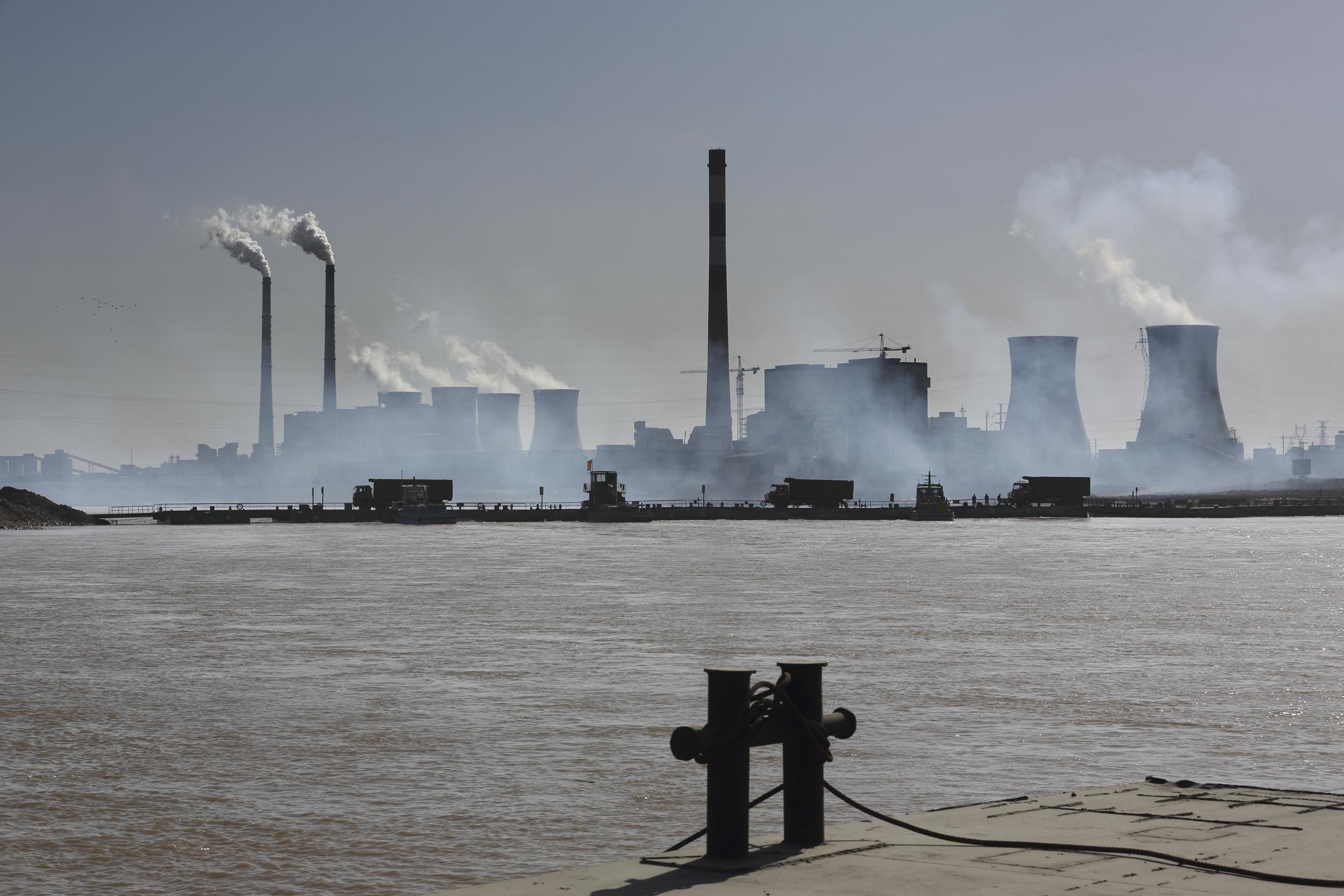 The world’s rapidly dwindling freshwater resources could be further depleted if plans for hundreds of new coal power plants worldwide go ahead, threatening severe drought and competition, according to a new Greenpeace International report.
English rainfall totals above average for 4th consecutive month
The latest official statistics on the water situation report for England show that in February rainfall totals were above average for the fourth consecutive month at 130% of the long term average.
World Economic Forum:water is top global risk for next decade
The World Economic Forum, meeting in Davos Switzerland this week, has identified water as the number one global risk for business and society in the coming decade.
Analysts warn Ofwat's Water 2020 proposals could be 'credit negative' for water sector
Moody's Investors Service is warning that Ofwat’s proposed changes in its approach to the upcoming PR19 Price Review - Water 2020 - would, if implemented, be "credit negative" for the water sector.
New research shows world’s water resources under huge pressure from industrialisation
 Half of the 60 largest economies face a serious risk of water shortages in the future unless climate policy changes, according to new research from the economics department of the ING global banking group.
Kenya tackles future water gap with 2030 Water Resources Group
The Kenya 2030 Water Resources Group (2030 WRG) Partnership has been launched at a high level roundtable which brought together senior members of Kenya’s government, private sector and civil society to discuss solutions to bridging the gap between the country’s future water demand and supply.
Thames Water warns watering gardens adds up to £855K to Oxford’s monthly water bill
Thames Water has calculated that the extra water being sprayed by gardeners in Oxford in a bid to ‘save their lawns’ could be adding as much as £855,000 to the city’s monthly water bill and filling up to 10 Olympic swimming pools with water every day .