

Northumbrian Water Group has received a ‘Big Tick’ in the Sustainable Products and Services category at the prestigious Responsible Business Awards 2014, run by Business in the Community.
The firm is the first waste water company in the UK to produce renewable energy from 100% of the sludge remaining after sewage treatment. Pioneering plants have been built at Tees Port and at Howdon on Tyneside in a £70m dual investment that will annually save millions of pounds in gas and electricity operating costs and help the company to significantly cut its carbon footprint by 20%.
Heidi Mottram, Chief Executive for Northumbrian Water Group, said:
“We’re serious about being the greenest water company, being recognised as industry leader and leading by example.
“We’re delighted to achieve a Big Tick for our innovative approaches to becoming more efficient and effective, such as being the first to make power from poo and also using reed beds for water treatment rather than energy and chemicals.
“Sustainability is at the heart of our vision and we’re proud to be leading the industry in seeking innovative new ways of working.”
Northumbrian Water Group also achieved two Big Tick Reaccreditations for its 2012 big ticks in the Environmental Leadership and Workwell categories. The company has been reaccredited this year for demonstrating the continuing positive impact of its award winning initiatives, including finding greener working alternatives and its health and wellbeing programme.
Commenting, Stephen Howard, Chief Executive, Business in the Community said:
“The Responsible Business Awards shine a much needed spotlight on the powerful impact of business. Each of the companies recognised are playing their part to build a new contract between business and society and a more sustainable future for us all. I congratulate Northumbrian Water Group for its Big Tick and Big Tick Reaccreditations, which are a powerful symbol of business doing more to bring about change.”
 Craig Nienaber, Business Development Manager for Safe Access Solutions (SAS) at HUBER Technology, explores why the company is seeing a growing level of interest in its safe access solutions for critical infrastructure providers, including their application in wastewater treatment assets.
 Albion Water, the first NAV (New Appointment & Variation) to have been established in1999 and now under the ownership of SDS Water Group, has appointed Andy Holland as its new Director of Business Development.
 UK water companies are invited to join an upcoming webinar which will explore how the sector can take indirect potable reuse (IPR) from concept to full-scale operational reality.
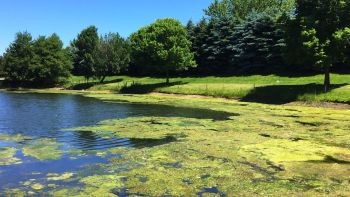 James Sumsion, CEO of predictive water intelligence specialists Kohtari, says the water sector needs to take a giant leap forward, so that it can anticipate and act upon water quality issues - rather than merely react.

 Hear how Scottish Water has completed its £235 million Ayrshire Glasgow Resilience Project - customers across Greater Glasgow, Ayrshire and East Renfrewshire will now benefit from a more secure and resilient water supply.
 Hear how United Utilities is accelerating its investment to reduce spills from storm overflows across the Northwest.
 Find out more about the remarkable career opportunities on offer at WSP - scroll down to watch the inspirational video.