

Water companies have been warned that they must start planning now to avoid potentially significant water supply and environmental impacts next summer.

The warning came at the latest meeting of the National Drought Group on Monday, which was chaired by Environment Agency Executive Director John Leyland.
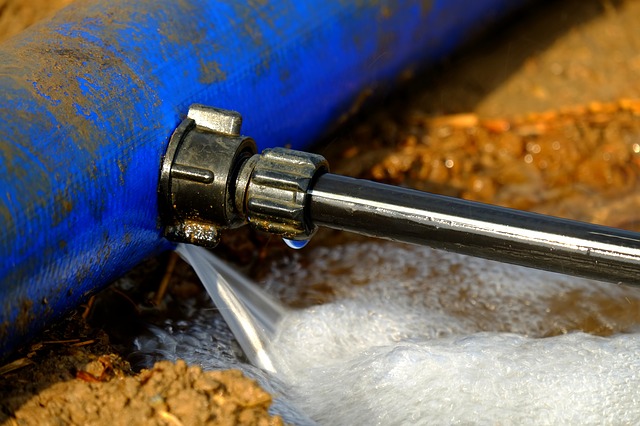
“Over winter we expect water companies to fix and reduce leaks & identify new sources of water”
John Leyland said:
“We cannot rely on the weather alone - if we are to avoid a worse drought next year, it will require action by us all. Early and precautionary planning must start now to manage the risks that this would bring.”
“Building on the work of the EA, water companies and NDG members this year – from implementing drought plan measures such as Temporary Use Bans and drought permits to helping customers use less water – we must keep up our preparations for the worst-case scenario.
“Over winter we expect water companies to fix and reduce leaks, identify new sources of water and work with farmers, growers and other sectors to protect our precious water resources should drought remain next year.”
Senior decision-makers from the Environment Agency, government, water companies and key farming and environmental groups heard that some reservoirs remain well below the levels expected at this time of year, including:
- Colliford Reservoir in Cornwall (24% of capacity)
- Roadford Reservoir in Devon (43% of capacity)
- Grafham Water in Cambridgeshire (63% of capacity)
The Group discussed how significant risks remain for water supplies and impacted sectors next year, despite an improving water resources situation in some parts of the country.
The warning comes despite recent above average rainfall in October and November which has been beneficial in improving river flows, which is recharging groundwater and refilling reservoirs across the country. As a result, reservoir stocks across England are now around 68% capacity which has led to some water companies revoking drought permit applications and removing restrictions such as Temporary Use Bans (hosepipe bans).
The West Midlands is moving from drought status to recovery, and Greater Manchester, Merseyside and Cheshire from Prolonged Dry Weather to Normal status, reflecting the improved reservoir and river levels in these areas.
However, above average rainfall is still needed to fully replenish stocks and prevent drought conditions in some areas next year. Members of the Group heard that many farmers and growers are likely to experience the effects of drought into next year and environmental impacts are expected to continue as ecology and habitats take longer to recover from drought stress.
If rainfall levels through winter are 80% or less of the long-term average, National Drought Group projections show that currently depleted reservoirs and groundwater aquifers are unlikely to fully recover and farmers would be concerned their water supply storage reservoirs may not fully refill.
Large parts of the country would be at risk of drought continuing into next summer – most notably in parts of the South West, South East, East Anglia, Yorkshire and East Midlands. In more severe rainfall scenarios, the projections suggest drought conditions would be widespread, covering most of the country.
Over winter EA expects water companies to continue to identify all possible new sources of water
Some of the actions the Environment Agency expects water companies to take over winter are:
- Increasing activity to reduce leakage and undertaking winter readiness actions such as contingency planning for freeze-thaw events which cause leaks.
- Continuing to identify all possible new sources of water and network improvements to increase water supply whilst limiting environmental risk.
- Continuing or enhancing winter communication campaigns with customers to maintain awareness of the drought risk and promote efficient water use.
- Exploring collaborative opportunities to support agriculture and other sectors to improve resilience for next summer, for instance maximising opportunities for abstraction and reviewing water needs for 2023.
Water Minister Rebecca Pow who was present at the NDG meeting commented:
“The recent rainfall will be a relief for many, but we should approach the improving drought situation with cautious optimism.
“I urge water companies to continue to plan their water resources and take precautionary steps to ensure water resilience. This includes emphasising to the public that water shouldn’t be taken for granted. The work of the National Drought Group is crucial in ensuring everyone plays a part in managing our precious water resources both in to next year and in the long term.”
Recent heavy rain and flooding, whilst most of England remains in drought, highlights how climate change is happening now. The country is seeing more extreme weather - in this year alone three named storms in a week, record-breaking temperatures and the joint hottest summer on record leading to a widespread drought. Across the globe, the effects of climate change are becoming clearer, from China experiencing its worst heatwave in decades to devastating floods in Pakistan.
Will Lang, Head of Situational Awareness at the Met Office said:
“Winters in the UK usually include a wide variety of weather, and this winter looks to be no exception. Although we expect to see high pressure dominating our weather through much of the early winter, which increases the potential for cold spells, we could still see wet and windy weather at times.
“The risk of unsettled weather increases as we head into 2023 with wet, windy, and mild spells a real possibility.”
Flooding and drought can occur at the same time, and it is essential to plan and prepare for increasingly extreme events. The National Drought Group will meet again in the new year to continue its work to manage water resources and the impacts of drought.
 Enpure Ltd and Clean TeQ Water Ltd have announced a collaboration agreement to bring Clean TeQ Water's Moving Bed Ion Exchange-based nutrient removal technologies to water utilities across the UK.
 Near-real-time microbial monitoring of wastewater discharge and bathing waters is now possible thanks to the BactoSense ID solution created by Swiss-based bNovate Technologies.
 ABB has launched AquaMaster+™, a digital platform for smart water network management, designed to help water utilities monitor, analyze and manage their water networks, preventing pipeline water losses and optimizing operations.
 Craig Nienaber, Business Development Manager for Safe Access Solutions (SAS) at HUBER Technology, explores why the company is seeing a growing level of interest in its safe access solutions for critical infrastructure providers, including their application in wastewater treatment assets.

 Southern Water has released film and images showing what it’s like to walk inside Hampshire’s expanded Yew Hill underground reservoir for the very last time, before it gets filled with water.
 Hear how Scottish Water has completed its £235 million Ayrshire Glasgow Resilience Project - customers across Greater Glasgow, Ayrshire and East Renfrewshire will now benefit from a more secure and resilient water supply.
 Hear how United Utilities is accelerating its investment to reduce spills from storm overflows across the Northwest.