

Widespread wildfires, record-low river flows and the mounting impacts of successive heatwaves on the environment have triggered the declaration of drought status in North Wales and the Upper Severn, Natural Resources Wales (NRW) confirmed yesterday.
The areas affected include North Gwynedd, Ynys Môn, South Gwynedd, Dee (Wales), Clwyd and Upper Severn.
At the same time, all remaining catchments across south-west Wales have moved from 'normal' to 'prolonged dry weather' status. NRW confirmed last week the change of status for South East Wales, meaning all of Wales is now experiencing either prolonged dry weather or drought conditions.
The dry conditions have also significantly increased wildfire risk. North Wales in particular has experienced a number of major wildfires in recent weeks, while other incidents continue to be reported across the country.
The decision follows continued hot, dry weather over recent weeks. July is on course to become the driest on record in Wales for almost 190 years if significant rainfall does not arrive before the end of the month.
North Wales and the Upper Severn has received less than 2% of the expected rainfall for the month so far.
River flows across large parts of North Wales and the Upper Severn are now exceptionally low for the time of year, with some locations recording new monthly minimum flows and others approaching record lows.
In many areas of North Wales, there has been no significant rainfall since 6 July. NRW's monitoring also shows river flows across the affected catchments are exceptionally low, groundwater levels continue to fall, and river temperatures have been high.
'Drought' is declared by NRW when a combination of indicators show a significant shortage of rainfall and water availability, resulting in impacts on rivers, groundwater, ecosystems, agriculture and land management.
Rhian Thomas, Sustainable Water and Nature Manager at NRW, said:
"The prolonged period of hot, dry weather we have experienced this summer is now having serious impacts on the environment across parts of Wales.
"We have seen rivers fall to exceptionally low levels, groundwater continuing to decline, and increasing reports of environmental impacts affecting wildlife, fisheries, farming and sensitive habitats.
"The recent wildfires across North Wales and South East Wales are one of the clearest and most visible signs of how dry our landscapes have become. Our teams continue to work closely with fire and rescue services, local partners and land managers to respond to these incidents and reduce risks where possible.
"While drought status does not automatically mean water shortages for customers, it does reflect the growing pressure being placed on our environment. We are asking everyone to play their part by using water wisely and helping to protect Wales' natural resources during this exceptionally dry period."
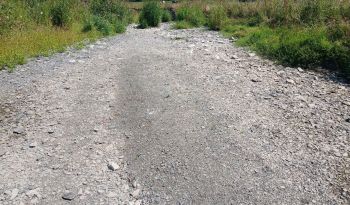
Across Wales, NRW is increasingly concerned about the pressure being placed on rivers, wildlife, fish populations, peatlands, agriculture and the wider natural environment. Teams have reported drying riverbeds, isolated pools in smaller rivers, increased risks to fish and freshwater species, and mounting concerns from farmers about water availability and grazing conditions.
 Albion Water, the first NAV (New Appointment & Variation) to have been established in1999 and now under the ownership of SDS Water Group, has appointed Andy Holland as its new Director of Business Development.
 UK water companies are invited to join an upcoming webinar which will explore how the sector can take indirect potable reuse (IPR) from concept to full-scale operational reality.
 James Sumsion, CEO of predictive water intelligence specialists Kohtari, says the water sector needs to take a giant leap forward, so that it can anticipate and act upon water quality issues - rather than merely react.
 Ray Moulds, Sales Director at Flood Control International, takes a look at how automated sliding floodgates are supporting secondary containment at water and sewerage company sites.

 Hear how Scottish Water has completed its £235 million Ayrshire Glasgow Resilience Project - customers across Greater Glasgow, Ayrshire and East Renfrewshire will now benefit from a more secure and resilient water supply.
 Hear how United Utilities is accelerating its investment to reduce spills from storm overflows across the Northwest.
 Find out more about the remarkable career opportunities on offer at WSP - scroll down to watch the inspirational video.