


Figures released by Northumbrian Water has shown that between January and June the number of leaky pipes repaired has increased by 45 per cent in 2025 compared to 2024.
6,263 repairs have been made between January and June, compared with 3,429 during the same six months in 2024.
The increase follows the introduction of extra teams put in place to tackle leakage, and comes as the water company is encouraging customers to use water wisely in the face the North East’s third driest January to July period since records started in 1891.
Kieran Ingram, Water Director, said:
“We have to play our part in using water wisely and that involves repairing leaking pipes and doing our bit to make sure our infrastructure is up to the job of keeping water flowing, especially when the weather is hot and dry.
“The weather has a huge impact on the ground conditions. When the heat dries all the moisture out of the ground, it goes hard and cracks. This causes the underground pipes to move and that’s when pipes crack, valves leak, and fittings become loose.
“The material of the pipes is also a contributory factor. The newer plastic pipes have a bit more flexibility in them for ground movement, which is why we’re investing heavily in replacing pipes in our network.
“If we can do this, alongside our customers using water wisely, then we can keep the water flowing.”
Northumbrian Water’s leakage teams are actively out looking for leaks.
Using monitors magnetically attached to pipes overnight, the technology shows if there is water flowing at 3am in the morning, when water use is minimal because people are asleep.
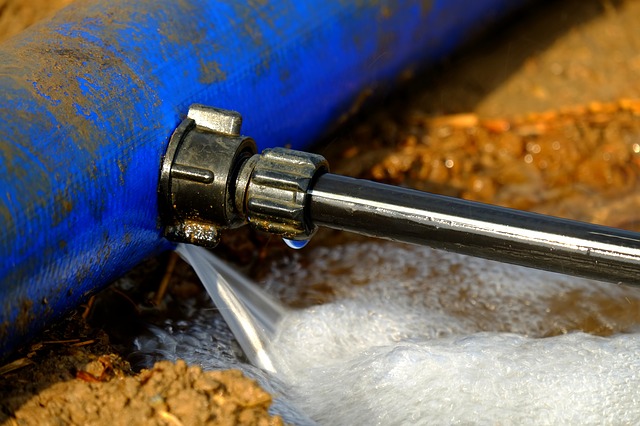
If there are any unusual results, a technician will manually check the water flow using a listening rod (photographed). If they can hear a leak, then they log the job and notify the nearby homeowners. Northumbrian Water are responsible for leaks on the network, while the homeowner is responsible for leaks on the property side.
The company also makes it a priority to repair emergency leaks, and relies on customers to report any sudden puddles or flows of water in roads or on paths. This can be done though the portal on the Northumbrian Water’s website: Report Water Problems Or Water Wastage In The North East
 “SAS (Surplus Activated Sludge) is a bit weird and
  Owen Mace has taken over as Director of the British Plastics Federation (BPF) Plastic Pipes Group on the retirement of Caroline Ayres. He was previously Standards and Technical Manager for the group.
 PureTec Separations, the Ledbury-based water treatment engineering firm, has appointed Dan Norman as its new Sales Manager – Water Process Systems, supporting the company’s continued growth in the UK and international markets.
 bNovate has launched BactoCloud, a secure cloud-based platform that connects and manages its BactoSense instruments, enabling real-time monitoring and optimization of microbial water quality.
 Hear how Scottish Water has completed its £235 million Ayrshire Glasgow Resilience Project - customers across Greater Glasgow, Ayrshire and East Renfrewshire will now benefit from a more secure and resilient water supply.
 Hear how United Utilities is accelerating its investment to reduce spills from storm overflows across the Northwest.
 Find out more about the remarkable career opportunities on offer at WSP - scroll down to watch the inspirational video.